
Blog
2026-4-13
What is DC MCCB?
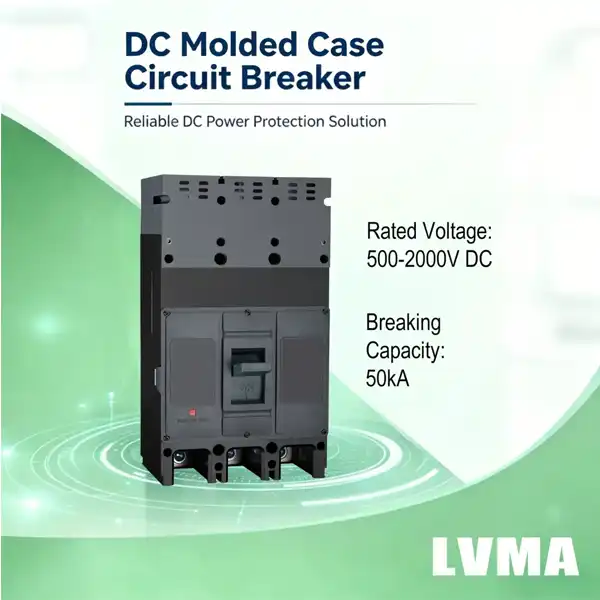
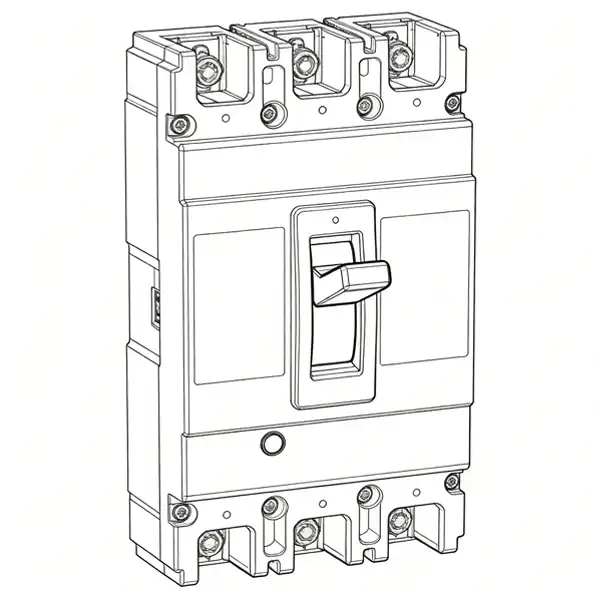
DC molded case circuit breakers (DC MCCBs) are essential protective components for modern DC power systems. Designed to prevent overload, short circuit, and overcurrent faults, they ensure safe operation in photovoltaic (PV) systems, energy storage systems (ESS), electric vehicle (EV) charging infrastructure, data centers, and industrial DC distribution networks. Unlike AC circuit breakers, DC MCCBs feature enhanced arc-extinguishing systems, stable magnetic tripping structures, and strong insulation performance to handle non-zero-crossing DC arcs efficiently. High-breaking capacity, low temperature rise, compact design, and reliable long-term performance make them ideal for harsh operating environments. Compliant with international standards including IEC 60947, high-quality DC molded case circuit breakers improve system safety, extend equipment service life, and support stable power supply in renewable energy and transportation applications.
Core Function & Working Principle
Primary Functions
- Protect DC circuits, wires, and connected equipment from damage caused by excessive current (overload)
- Instantly interrupt circuit during short circuits to prevent thermal runaway and fire hazards
- Enable safe manual or remote circuit isolation for maintenance
- Provide selective coordination with other protection devices to minimize system downtime
Operating Mechanism
- Overload Protection: Utilizes a thermal trip unit (bimetallic strip) calibrated for DC current’s continuous heating effect. When overload occurs, the bimetallic strip bends to trigger circuit interruption after a time-delay proportional to the current magnitude.
- Short-Circuit Protection: Employs a magnetic trip unit that responds instantaneously to high fault currents. The magnetic force generated by the short-circuit current drives the breaker to open within milliseconds.
- Arc Extinction: A critical differentiator from AC breakers. DC MCCBs feature:
-
- Magnetic blowout systems (permanent magnets or electromagnetic coils) to forcefully stretch and redirect arcs
-
- Deep arc chutes with dense grid plates to split, cool, and extinguish arcs rapidly
-
- Specialized contact materials (arc-resistant alloys) to withstand high temperatures and minimize ablation
Key Features & Advantages
|
Feature
|
Description
|
|
Advanced Arc Suppression
|
Magnetic blowout technology and multi-grid arc chutes ensure reliable arc extinction in DC circuits (no zero-crossing advantage)
|
|
Robust Construction
|
Molded plastic housing isolates conductive components, providing mechanical strength and electrical insulation. Compact design maximizes panel space efficiency
|
|
Dual Protection Modes
|
Thermal-magnetic trip units offer precise overload (time-delay) and short-circuit (instantaneous) protection
|
|
Wide Voltage/Current Range
|
Rated voltage: DC 250V ~ 1500V; Rated current: 10A ~ 3000A (varies by model)
|
|
Polarity Flexibility
|
Available in polarized (for single-direction current) and non-polarized (bidirectional current) designs. Non-polarized models use advanced permanent magnet layouts for consistent arc handling regardless of current direction
|
|
Long Service Life
|
Maintenance-free operation with mechanical life up to 10,000 cycles and electrical life up to 3,000 cycles
|
|
Modular Accessories
|
Support shunt trip, auxiliary switches, bell alarms, under-voltage release, and padlockable handles for customized system integration
|
|
Sustainability
|
Reusable after fault clearance (no replacement required like fuses), reducing waste and operational costs
|
Applications
- Renewable Energy:
-
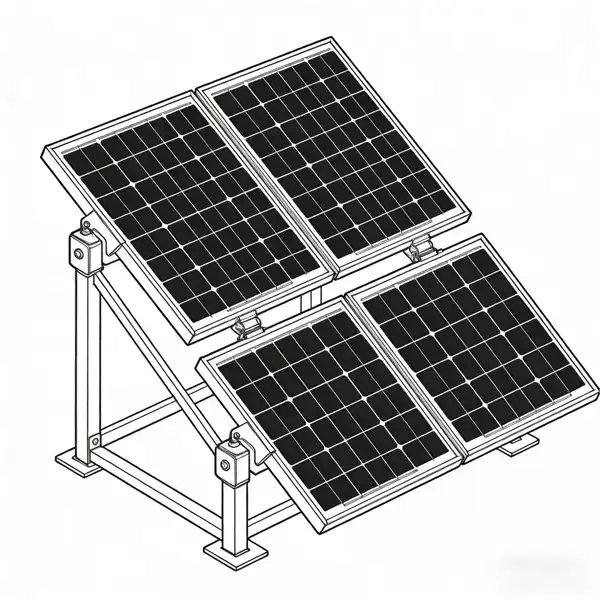
- Solar PV systems (string protection, combiner boxes, inverters)
-
- Battery energy storage systems (BESS)
- Electric Vehicle (EV) Infrastructure:
-
- EV charging stations (DC fast chargers)
-
- Vehicle battery pack protection
- Industrial & Commercial:
-
- DC motor control circuits
-
- Telecommunication base stations (-48V power systems)
-
- Railway/metro traction power systems
- Critical Infrastructure:
-
- Data center UPS systems
-
- Marine and offshore DC distribution networks
Key Differences: DC MCCB vs. AC MCCB
|
Parameter
|
DC MCCB
|
AC MCCB
|
|
Arc Extinction
|
Forced arc stretching via magnetic blowout; no zero-crossing
|
Relies on natural current zero-crossing (50/60Hz) for easy arc extinction
|
|
Design
|
Deep arc chutes with dense grids; permanent magnets
|
Shallow arc chutes; fewer grids
|
|
Polarity
|
Polarized (most models) or non-polarized; correct wiring required
|
Non-polarized; arbitrary wiring direction
|
|
Trip Curve Calibration
|
Thermal/magnetic elements calibrated for DC’s continuous current
|
Optimized for AC’s alternating current characteristics
|
|
Voltage Handling
|
Typically DC 250V~1500V (higher voltage requires series poles)
|
AC 230V~690V (higher voltage possible in same volume)
|
|
Interchangeability
|
Cannot be used in AC circuits (inadequate protection)
|
Extremely dangerous to use in DC circuits (arc persists, fire risk)
|
Technical Specifications (Typical Range)
|
Specification
|
Value
|
|
Rated Voltage (Ue)
|
DC 250V, 500V, 600V, 1000V, 1500V
|
|
Rated Current (In)
|
10A ~ 3000A
|
|
Breaking Capacity (Icu)
|
Up to 100kA @ 1000V DC
|
|
Pole Configurations
|
1P, 2P, 3P, 4P; series double-break poles for high voltage
|
|
Protection Type
|
Thermal-magnetic, electronic, or hybrid
|
|
Installation Category
|
Main circuit: III; Control/auxiliary circuit: II
|
|
Operating Temperature
|
-5℃ ~ +40℃ (24h average ≤ +35℃)
|
|
Altitude
|
≤ 2000m
|
|
Pollution Degree
|
3
|
|
Certifications
|
UL 489, IEC 60947-2, CE, CCC, ISO
|
Safety & Compliance
- Complies with international standards (UL 489 Supplement SC for UPS applications, IEC 60947-2)
- Zero or short arc-flash design minimizes operator risk during fault interruption
- Polarized wiring indicators (+/-) prevent incorrect installation
- Rugged housing meets IP20 or higher protection rating (dust/water resistance)
FAQ
Q: Can I use an AC MCCB in a DC circuit?
Q: What is the difference between thermal-magnetic and electronic DC MCCBs?
Q: How to select the right DC MCCB?
Contact Us
Share This Article
Follow Us
Latest Articles
What is DC MCCB?
DC molded case circuit breakers (DC MCCBs) are essential protective components for modern DC power systems. Designed to prevent overload, short circuit, and overcurrent faults, they ensure safe operation in photovoltaic (PV) systems, energy storage systems (ESS), electric vehicle (EV) charging infrastructure, data centers, and industrial DC distribution networks. Unlike AC circuit breakers, DC MCCBs feature enhanced arc-extinguishing systems, stable magnetic tripping structures, and strong insulation performance to handle non-zero-crossing DC arcs efficiently. High-breaking capacity, low temperature rise, compact design, and reliable long-term performance make them ideal for harsh operating environments. Compliant with international standards including IEC 60947, high-quality DC molded case circuit breakers improve system safety, extend equipment service life, and support stable power supply in renewable energy and transportation applications.
Core Function & Working Principle
Primary Functions
- Protect DC circuits, wires, and connected equipment from damage caused by excessive current (overload)
- Instantly interrupt circuit during short circuits to prevent thermal runaway and fire hazards
- Enable safe manual or remote circuit isolation for maintenance
- Provide selective coordination with other protection devices to minimize system downtime
Operating Mechanism
- Overload Protection: Utilizes a thermal trip unit (bimetallic strip) calibrated for DC current’s continuous heating effect. When overload occurs, the bimetallic strip bends to trigger circuit interruption after a time-delay proportional to the current magnitude.
- Short-Circuit Protection: Employs a magnetic trip unit that responds instantaneously to high fault currents. The magnetic force generated by the short-circuit current drives the breaker to open within milliseconds.
- Arc Extinction: A critical differentiator from AC breakers. DC MCCBs feature:
-
- Magnetic blowout systems (permanent magnets or electromagnetic coils) to forcefully stretch and redirect arcs
-
- Deep arc chutes with dense grid plates to split, cool, and extinguish arcs rapidly
-
- Specialized contact materials (arc-resistant alloys) to withstand high temperatures and minimize ablation
Key Features & Advantages
|
Feature
|
Description
|
|
Advanced Arc Suppression
|
Magnetic blowout technology and multi-grid arc chutes ensure reliable arc extinction in DC circuits (no zero-crossing advantage)
|
|
Robust Construction
|
Molded plastic housing isolates conductive components, providing mechanical strength and electrical insulation. Compact design maximizes panel space efficiency
|
|
Dual Protection Modes
|
Thermal-magnetic trip units offer precise overload (time-delay) and short-circuit (instantaneous) protection
|
|
Wide Voltage/Current Range
|
Rated voltage: DC 250V ~ 1500V; Rated current: 10A ~ 3000A (varies by model)
|
|
Polarity Flexibility
|
Available in polarized (for single-direction current) and non-polarized (bidirectional current) designs. Non-polarized models use advanced permanent magnet layouts for consistent arc handling regardless of current direction
|
|
Long Service Life
|
Maintenance-free operation with mechanical life up to 10,000 cycles and electrical life up to 3,000 cycles
|
|
Modular Accessories
|
Support shunt trip, auxiliary switches, bell alarms, under-voltage release, and padlockable handles for customized system integration
|
|
Sustainability
|
Reusable after fault clearance (no replacement required like fuses), reducing waste and operational costs
|
Applications
- Renewable Energy:
-
- Solar PV systems (string protection, combiner boxes, inverters)
-
- Battery energy storage systems (BESS)
- Electric Vehicle (EV) Infrastructure:
-
- EV charging stations (DC fast chargers)
-
- Vehicle battery pack protection
- Industrial & Commercial:
-
- DC motor control circuits
-
- Telecommunication base stations (-48V power systems)
-
- Railway/metro traction power systems
- Critical Infrastructure:
-
- Data center UPS systems
-
- Marine and offshore DC distribution networks
Key Differences: DC MCCB vs. AC MCCB
|
Parameter
|
DC MCCB
|
AC MCCB
|
|
Arc Extinction
|
Forced arc stretching via magnetic blowout; no zero-crossing
|
Relies on natural current zero-crossing (50/60Hz) for easy arc extinction
|
|
Design
|
Deep arc chutes with dense grids; permanent magnets
|
Shallow arc chutes; fewer grids
|
|
Polarity
|
Polarized (most models) or non-polarized; correct wiring required
|
Non-polarized; arbitrary wiring direction
|
|
Trip Curve Calibration
|
Thermal/magnetic elements calibrated for DC’s continuous current
|
Optimized for AC’s alternating current characteristics
|
|
Voltage Handling
|
Typically DC 250V~1500V (higher voltage requires series poles)
|
AC 230V~690V (higher voltage possible in same volume)
|
|
Interchangeability
|
Cannot be used in AC circuits (inadequate protection)
|
Extremely dangerous to use in DC circuits (arc persists, fire risk)
|
Technical Specifications (Typical Range)
|
Specification
|
Value
|
|
Rated Voltage (Ue)
|
DC 250V, 500V, 600V, 1000V, 1500V
|
|
Rated Current (In)
|
10A ~ 3000A
|
|
Breaking Capacity (Icu)
|
Up to 100kA @ 1000V DC
|
|
Pole Configurations
|
1P, 2P, 3P, 4P; series double-break poles for high voltage
|
|
Protection Type
|
Thermal-magnetic, electronic, or hybrid
|
|
Installation Category
|
Main circuit: III; Control/auxiliary circuit: II
|
|
Operating Temperature
|
-5℃ ~ +40℃ (24h average ≤ +35℃)
|
|
Altitude
|
≤ 2000m
|
|
Pollution Degree
|
3
|
|
Certifications
|
UL 489, IEC 60947-2, CE, CCC, ISO
|
Safety & Compliance
- Complies with international standards (UL 489 Supplement SC for UPS applications, IEC 60947-2)
- Zero or short arc-flash design minimizes operator risk during fault interruption
- Polarized wiring indicators (+/-) prevent incorrect installation
- Rugged housing meets IP20 or higher protection rating (dust/water resistance)