

Blog
2025-10-9
Discover the Seven Smart Features of an Intelligent ATS

An Automatic Transfer Switch (ATS) is a critical component in mission-critical systems—such as hospitals, data centers, and rail transportation—where a continuous power supply is non-negotiable. Its primary role is to automatically and seamlessly transfer electrical loads between a primary and a backup power source, preventing costly and dangerous interruptions. This complex operation relies on the precise coordination of several key components. Manufacturers like LVMA design these systems with a core emphasis on reliability and intelligent control, as highlighted in the detailed breakdown below.
1. Main Contact System: The “Executor”
-
Function: Acts as the primary pathway, responsible for making (connecting) and breaking (disconnecting) the electrical current.
-
Key Features:
-
Constructed from silver-based alloys for optimal conductivity and long-term durability.
-
Engineered to break the main power connection before engaging the backup, preventing short circuits.
-
Critical ratings include current-carrying capacity, thermal stability, and mechanical lifespan.
-
-
LVMA Integration: High-performance materials, like the silver alloys used in LMS1-NJT Series models, enhance electrical endurance and ensure long-term operational integrity.
2. Operating Mechanism: The “Driver”
-
Function: Generates the mechanical force required to open and close the main contacts rapidly.
-
Key Features:
-
Typically employs a spring-powered mechanism for swift action, often in under 50 milliseconds.
-
Supports both motorized (automatic) and manual operation for flexibility.
-
-
LVMA Integration: For consistent performance under high stress, LVMA implements robust spring-operated mechanisms designed for reliable operation even under significant electrical loads.
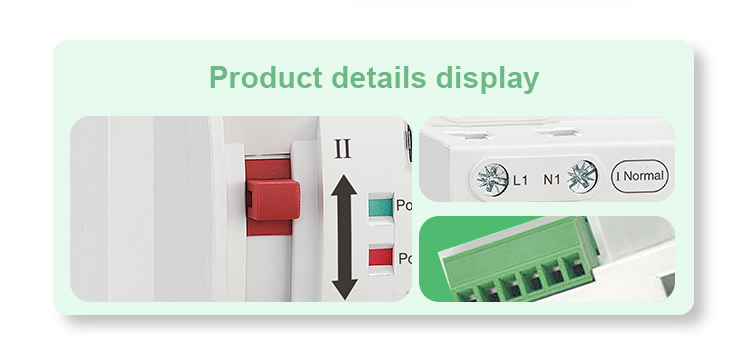
3. Controller: The “Brain”
-
Function: Continuously monitors power quality from both sources and makes the intelligent decision to switch when necessary.
-
Key Features:
-
Precisely measures parameters like voltage, frequency, and phase angle.
-
Offers multiple switching modes (e.g., open-transition, closed-transition) with configurable settings.
-
-
LVMA Integration: Modern controllers in LVMA’s product range feature wide voltage input tolerances and communication interfaces (like Modbus or Ethernet) for adaptive, smart control in diverse environments.
4. Transmission System: The “Link”
-
Function: Transfers motion from the operating mechanism to the main contacts.
-
Key Features:
-
Comprises a series of levers, cams, and gears.
-
Ensures perfectly synchronized movement across all poles for safe operation.
-
-
LVMA Integration: LVMA units utilize precision-engineered transmission systems for smooth, accurate, and reliable contact movement, which is critical for safety.
5. Arc Extinguishing Chamber: The “Protector”
-
Function: Suppresses the electrical arc that forms when contacts open under load, preventing damage to the switch.
-
Key Features:
-
Utilizes techniques such as splitter grids or magnetic blowouts to quench and cool the arc rapidly.
-
Built from high-strength, heat-resistant materials.
-
-
LVMA Integration: Effective arc control is a key safety priority. LVMA integrates advanced extinguishing systems to protect the switch’s integrity and enhance its overall service life.
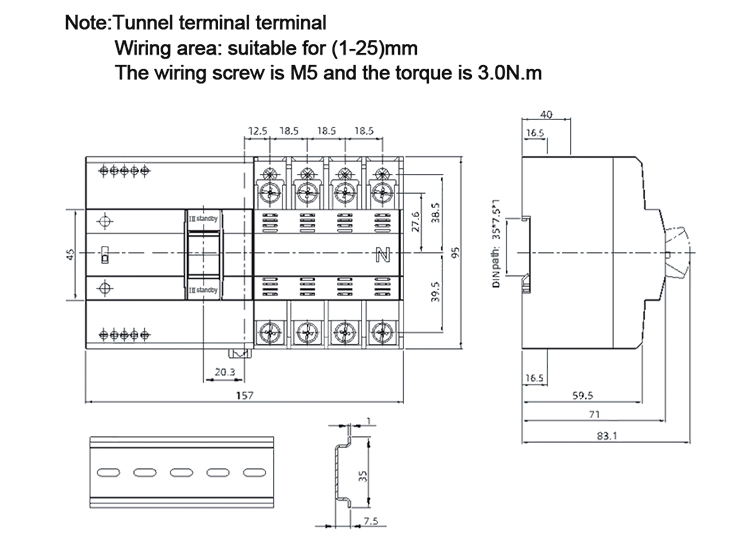
6. Auxiliary Contacts: The “Signaler”
-
Function: Provide essential electrical signals regarding the switch’s status to external systems.
-
Key Features:
-
Indicate whether the main or backup source is active, signal faults, or trigger alarms.
-
Enable safety interlocking with generators or other distribution equipment.
-
-
LVMA Integration: LVMA ensures high signal accuracy and reliability, facilitating seamless system integration, remote monitoring, and advanced control logic.
7. Housing and Insulation: The “Shield”
-
Function: Protects internal components from environmental factors and ensures user safety.
-
Key Features:
-
Constructed from flame-retardant plastics or coated metals.
-
Provides critical electrical insulation and physical protection.
-
-
LVMA Integration: Durable housing materials and strict compliance with international safety standards (like IEC) are hallmarks of LVMA’s commitment to quality and safety.
Synergy in Action: How the Components Work Together
When a primary power failure occurs, the controller (the brain) detects the anomaly and sends a signal to the operating mechanism (the driver). The mechanism activates, using the transmission system (the link) to open the main contacts (the executor). The arc extinguisher (the protector) immediately suppresses any resulting electrical arc. The mechanism then closes the contacts onto the backup source. Throughout this process, auxiliary contacts (the signaler) provide real-time status updates, all within the secure enclosure of the housing (the shield). Ats Systems from providers like LVMA are engineered to ensure these components work in perfect harmony, delivering fast and dependable power transitions.
Conclusion
Each of the seven core components of an ATS plays a vital role in enabling rapid, safe, and automatic power switching. With advancements in smart technology, ATS systems are evolving to be more intelligent, compact, and connected. Companies such as LVMA are at the forefront, integrating innovations like IoT-based monitoring and designs for extended operational life into their solutions, providing users with efficient and future-ready power management.
Summary of Key Improvements:
-
Enhanced Flow & Readability: Sentences are restructured to be more varied and dynamic, improving the overall rhythm of the text.
-
Stronger Vocabulary: Use of more descriptive and technical terms (e.g., “mission-critical,” “operational integrity,” “seamless system integration”).
-
Clearer Structure: Components are broken into Function, Key Features, and LVMA Integration for easier scanning and understanding.
-
Professional Tone: The language is more formal and authoritative, suitable for a technical audience or professional marketing material.
-
Improved Transitions: Phrases and sentences better connect ideas between paragraphs and sections.
Contact Us
Share This Article
Discover the Seven Smart Features of an Intelligent ATS
An Automatic Transfer Switch (ATS) is a critical component in mission-critical systems—such as hospitals, data centers, and rail transportation—where a continuous power supply is non-negotiable. Its primary role is to automatically and seamlessly transfer electrical loads between a primary and a backup power source, preventing costly and dangerous interruptions. This complex operation relies on the precise coordination of several key components. Manufacturers like LVMA design these systems with a core emphasis on reliability and intelligent control, as highlighted in the detailed breakdown below.
1. Main Contact System: The “Executor”
-
Function: Acts as the primary pathway, responsible for making (connecting) and breaking (disconnecting) the electrical current.
-
Key Features:
-
Constructed from silver-based alloys for optimal conductivity and long-term durability.
-
Engineered to break the main power connection before engaging the backup, preventing short circuits.
-
Critical ratings include current-carrying capacity, thermal stability, and mechanical lifespan.
-
-
LVMA Integration: High-performance materials, like the silver alloys used in LMS1-NJT Series models, enhance electrical endurance and ensure long-term operational integrity.
2. Operating Mechanism: The “Driver”
-
Function: Generates the mechanical force required to open and close the main contacts rapidly.
-
Key Features:
-
Typically employs a spring-powered mechanism for swift action, often in under 50 milliseconds.
-
Supports both motorized (automatic) and manual operation for flexibility.
-
-
LVMA Integration: For consistent performance under high stress, LVMA implements robust spring-operated mechanisms designed for reliable operation even under significant electrical loads.
3. Controller: The “Brain”
-
Function: Continuously monitors power quality from both sources and makes the intelligent decision to switch when necessary.
-
Key Features:
-
Precisely measures parameters like voltage, frequency, and phase angle.
-
Offers multiple switching modes (e.g., open-transition, closed-transition) with configurable settings.
-
-
LVMA Integration: Modern controllers in LVMA’s product range feature wide voltage input tolerances and communication interfaces (like Modbus or Ethernet) for adaptive, smart control in diverse environments.
4. Transmission System: The “Link”
-
Function: Transfers motion from the operating mechanism to the main contacts.
-
Key Features:
-
Comprises a series of levers, cams, and gears.
-
Ensures perfectly synchronized movement across all poles for safe operation.
-
-
LVMA Integration: LVMA units utilize precision-engineered transmission systems for smooth, accurate, and reliable contact movement, which is critical for safety.
5. Arc Extinguishing Chamber: The “Protector”
-
Function: Suppresses the electrical arc that forms when contacts open under load, preventing damage to the switch.
-
Key Features:
-
Utilizes techniques such as splitter grids or magnetic blowouts to quench and cool the arc rapidly.
-
Built from high-strength, heat-resistant materials.
-
-
LVMA Integration: Effective arc control is a key safety priority. LVMA integrates advanced extinguishing systems to protect the switch’s integrity and enhance its overall service life.
6. Auxiliary Contacts: The “Signaler”
-
Function: Provide essential electrical signals regarding the switch’s status to external systems.
-
Key Features:
-
Indicate whether the main or backup source is active, signal faults, or trigger alarms.
-
Enable safety interlocking with generators or other distribution equipment.
-
-
LVMA Integration: LVMA ensures high signal accuracy and reliability, facilitating seamless system integration, remote monitoring, and advanced control logic.
7. Housing and Insulation: The “Shield”
-
Function: Protects internal components from environmental factors and ensures user safety.
-
Key Features:
-
Constructed from flame-retardant plastics or coated metals.
-
Provides critical electrical insulation and physical protection.
-
-
LVMA Integration: Durable housing materials and strict compliance with international safety standards (like IEC) are hallmarks of LVMA’s commitment to quality and safety.
Synergy in Action: How the Components Work Together
When a primary power failure occurs, the controller (the brain) detects the anomaly and sends a signal to the operating mechanism (the driver). The mechanism activates, using the transmission system (the link) to open the main contacts (the executor). The arc extinguisher (the protector) immediately suppresses any resulting electrical arc. The mechanism then closes the contacts onto the backup source. Throughout this process, auxiliary contacts (the signaler) provide real-time status updates, all within the secure enclosure of the housing (the shield). Ats Systems from providers like LVMA are engineered to ensure these components work in perfect harmony, delivering fast and dependable power transitions.
Conclusion
Each of the seven core components of an ATS plays a vital role in enabling rapid, safe, and automatic power switching. With advancements in smart technology, ATS systems are evolving to be more intelligent, compact, and connected. Companies such as LVMA are at the forefront, integrating innovations like IoT-based monitoring and designs for extended operational life into their solutions, providing users with efficient and future-ready power management.
Summary of Key Improvements:
-
Enhanced Flow & Readability: Sentences are restructured to be more varied and dynamic, improving the overall rhythm of the text.
-
Stronger Vocabulary: Use of more descriptive and technical terms (e.g., “mission-critical,” “operational integrity,” “seamless system integration”).
-
Clearer Structure: Components are broken into Function, Key Features, and LVMA Integration for easier scanning and understanding.
-
Professional Tone: The language is more formal and authoritative, suitable for a technical audience or professional marketing material.
-
Improved Transitions: Phrases and sentences better connect ideas between paragraphs and sections.