

Blog
2026-2-12
Automatic Transfer Switch (ATS): A Comprehensive Guide for Electrical Experts
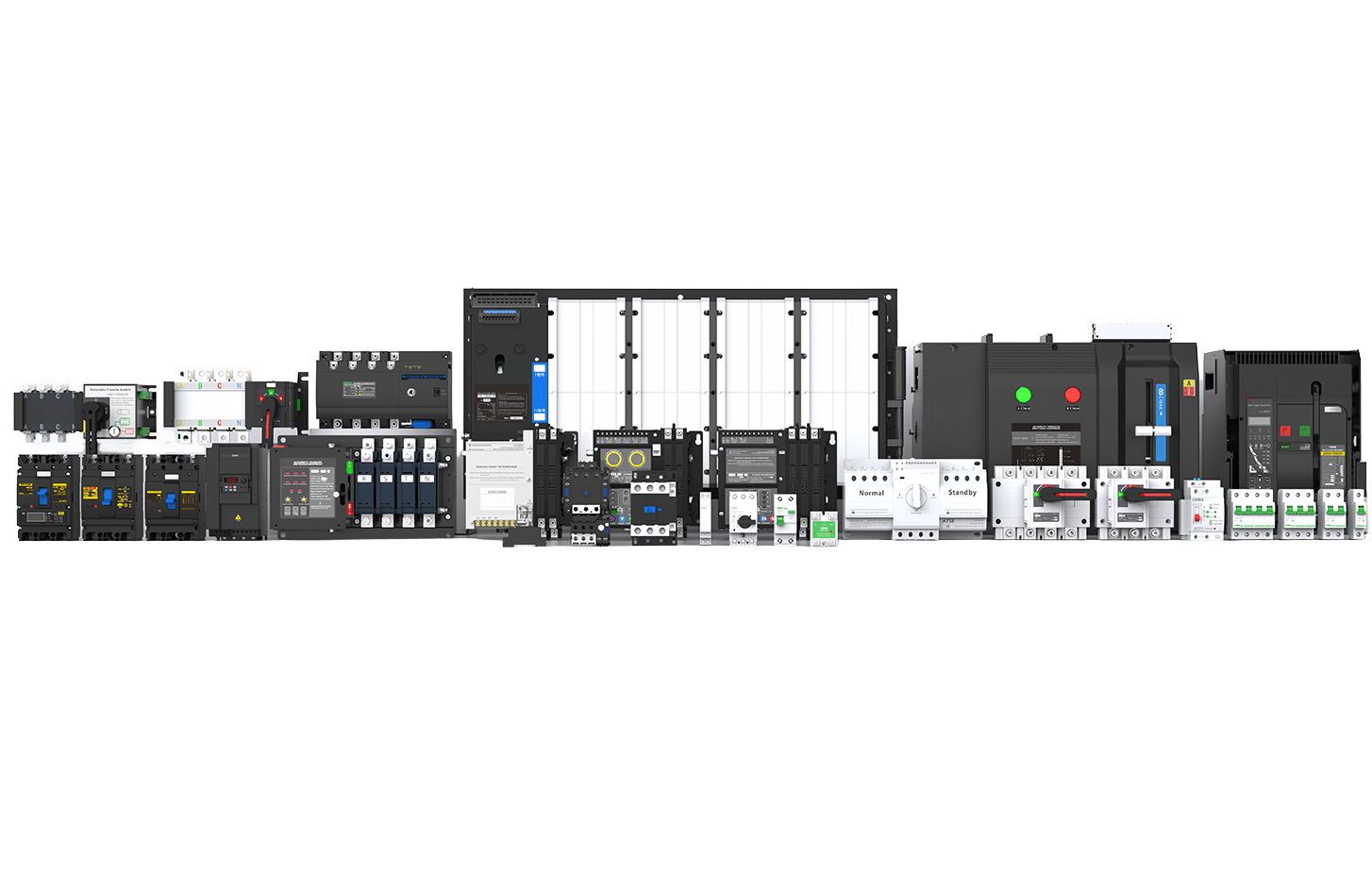
An Automatic Transfer Switch (ATS) is a vital uninterruptible power device, built to keep critical equipment running nonstop across high-priority industries. As a professional ATS manufacturer with 21 years of focused R&D and production in the ATS field, we’ve never stopped refining our product functions and performance to keep up with evolving industry power needs – and we also provide fully customized OEM/ODM services for clients around the world. ATS units work with two identical power sources that run in parallel with a standby setup, so when the main power fails, the backup takes over instantly – cutting out downtime and the costly issues it brings. Used extensively in medical, finance and construction (especially fire protection), ATS delivers steady, dependable power for mission-critical systems.
The real value of ATS lies in boosting equipment reliability, stability. In any power system, even a short blackout can lead to irreversible data loss, equipment damage and production halts. ATS enables seamless, zero-lag switching from main to backup power. This not only prevents those costly issues but also cuts down on maintenance costs and production losses caused by power outages. Drawing on our rich industry experience, complete product coverage and custom service capabilities, this guide breaks down all the ATS basics: what it is, how it’s classified, the key features of different models, and how it stands apart from UPS and EPS. Our goal is to help every electrical engineer build a deeper understanding of this essential power solution – and to showcase the professional expertise that comes with being a 21-year ATS manufacturing specialist.
What is an Automatic Transfer Switch (ATS)?
An ATS is a microprocessor-controlled power device that acts as a protector for power grid systems, making sure power stays on during switches between two utility power sources, or between utility power and a generator. When the primary power source fails suddenly or cuts out, the ATS reacts right away. It switches the backup power source on automatically to keep the power flowing to connected systems without interruption.
After 21 years of R&D and optimization, our ATS products are built for maximum versatility and stability. We offer both PC and CB type ATS with current ratings from 16A to 6300A.
The 63A ATS and 125A ATS are staple for small commercial and household applications, while our 4 pole ATS with up than 250A rated current is optimized for the standard three-phase four-wire power systems that our global clients use every day.
ATS Classification: PC type vs CB type
ATS units are split into two main type based on their design and ability to handle faults – a key difference electrical professionals need to know for proper installation and use.
PC type ATS
- Structure: Made up ofload switches (disconnecting switches) and a control mechanism
- Core Function: Only handles normal automatic power transfer between main and backup sources
- Limitation: Can’t interrupt or clear short-circuit current – best for low-risk power transfer scenarios where dedicated short-circuit protection is already in place
- Our Product Range: Full 16A to 6300A current rating
- Our Edge: We’ve upgraded load switch coordination and switching response speed through constant iteration, making normal power transfer smoother and more reliable for standard applications.
CB type ATS
- Structure: Made up of two circuit breakers and a control mechanism
- Core Function: Does both normal automatic power transfer and reliable short-circuit current interruption
- Advantage: All-in-one protection and switching, making it the top choice for high-risk, mission-critical power systems where short-circuit safety is non-negotiable
- Our Product Range: Full 16A to 1250A current rating
- Our Edge: We’ve upgraded circuit breaker performance and short-circuit interruption capability, with custom design options available via OEM/ODM for high-demand industrial scenarios.

Key ATS Model Control Features
Different ATS models are designed with unique control features to fit specific power system needs, like utility-to-utility/utility-to-diesel generator/utility-to-solar power setups. Parts of ATS comes with built-in phase loss detection, overvoltage and undervoltage protection, which is essential safety features for reliable operation. Ajustable switching delaytime is avaible for custom performance.
Type B ATS: General Switch Control
Type B ATS is a universal intelligent switch that constantly monitors and protects both main and backup power systems, ensuring steady operation for standard power transfer needs.
Type I ATS: Auto-Switch-On, Non-Auto-Switch-Back (Utility-to-Utility)
Type I ATS is specifically designed for dual utility power systems, with an auto-switch-on, non-auto-switch-back function. This means it switches to backup power when the primary source fails, but doesn’t switch back automatically when the primary power is restored.
- Adjustable switching delay: 1–999 seconds (tunable to match system compatibility)
- Added protection: Phase loss detection, overvoltage and undervoltage protection for enhanced reliability
Type II ATS: Auto-Switch-On & Auto-Switch-Back (Utility-to-Utility)
Type II ATS is perfect for dual utility power systems that need full automation, with a premium auto-switch-on and auto-switch-back function. It switches to backup power automatically during a primary outage, and switches back to the primary power source once it’s restored and stable.
- Adjustable switching delay: 1–999 seconds
- Core protection: Phase loss detection, overvoltage and undervoltage protection, delivering a solid safety guarantee for critical utility-to-utility power systems
Type III ATS: Auto-Switch-On & Auto-Switch-Back (Utility-to-Diesel Generator)
Type III ATS is engineered for utility-to-diesel generator power systems, a fully automated solution with unique generator coordination features. When switching from utility power to generator power, the ATS sends a pre-start signal to the diesel generator, ensuring a seamless power handoff with no gaps.
- Adjustable warm-up delay: 0–180 seconds (for diesel generator pre-start)
- Cool-down delay: Matches the warm-up delay for generator-to-utility transfer
- Standard protection: Phase loss detection, overvoltage and undervoltage protection
ATS vs UPS vs EPS: Key Differences
Electrical professionals often compare ATS, Uninterruptible Power Supply (UPS) and Emergency Power Supply (EPS) . These are three essential power devices, but each is designed for distinct use cases and load requirements. Knowing their differences is key to choosing the right power solution for your application.
ATS’s primary function
Power for critical loads in the construction industry, especially fire protection systems.
EPS’s primary function
Power for load equipment, including emergency lighting, accident lighting and fire protection facilities; Builds an independent circuit emergency power system that meets strict fire protection codes and standards.
UPS’s primary function
Provides backup power for IT industry equipment, such as data centers, servers, computers and networking gear; Delivers pure, uninterruptible backup power with zero voltage fluctuation.
Why Choose Our ATS Products?
LVMA electric is a professional ATS manufacturer with 21 years of dedicated ATS R&D and manufacturing experience. We persist in continuous product iteration and technical innovation, upgrading our ATS performance, functions and design based on market demand and customer feedback. We specialize in producing PC and CB type ATS with a full current rating range of 16A to 6300A. Our complete product line can meet the power supply needs of all types of equipment, from small commercial devices to large-scale industrial critical systems. Choosing our ATS products means you get professional technical expertise, comprehensive product coverage, proven quality and flexible customization capabilities.
Share This Article
Automatic Transfer Switch (ATS): A Comprehensive Guide for Electrical Experts
An Automatic Transfer Switch (ATS) is a vital uninterruptible power device, built to keep critical equipment running nonstop across high-priority industries. As a professional ATS manufacturer with 21 years of focused R&D and production in the ATS field, we’ve never stopped refining our product functions and performance to keep up with evolving industry power needs – and we also provide fully customized OEM/ODM services for clients around the world. ATS units work with two identical power sources that run in parallel with a standby setup, so when the main power fails, the backup takes over instantly – cutting out downtime and the costly issues it brings. Used extensively in medical, finance and construction (especially fire protection), ATS delivers steady, dependable power for mission-critical systems.
The real value of ATS lies in boosting equipment reliability, stability. In any power system, even a short blackout can lead to irreversible data loss, equipment damage and production halts. ATS enables seamless, zero-lag switching from main to backup power. This not only prevents those costly issues but also cuts down on maintenance costs and production losses caused by power outages. Drawing on our rich industry experience, complete product coverage and custom service capabilities, this guide breaks down all the ATS basics: what it is, how it’s classified, the key features of different models, and how it stands apart from UPS and EPS. Our goal is to help every electrical engineer build a deeper understanding of this essential power solution – and to showcase the professional expertise that comes with being a 21-year ATS manufacturing specialist.
What is an Automatic Transfer Switch (ATS)?
An ATS is a microprocessor-controlled power device that acts as a protector for power grid systems, making sure power stays on during switches between two utility power sources, or between utility power and a generator. When the primary power source fails suddenly or cuts out, the ATS reacts right away. It switches the backup power source on automatically to keep the power flowing to connected systems without interruption.
After 21 years of R&D and optimization, our ATS products are built for maximum versatility and stability. We offer both PC and CB type ATS with current ratings from 16A to 6300A.
The 63A ATS and 125A ATS are staple for small commercial and household applications, while our 4 pole ATS with up than 250A rated current is optimized for the standard three-phase four-wire power systems that our global clients use every day.
ATS Classification: PC type vs CB type
ATS units are split into two main type based on their design and ability to handle faults – a key difference electrical professionals need to know for proper installation and use.
PC type ATS
- Structure: Made up ofload switches (disconnecting switches) and a control mechanism
- Core Function: Only handles normal automatic power transfer between main and backup sources
- Limitation: Can’t interrupt or clear short-circuit current – best for low-risk power transfer scenarios where dedicated short-circuit protection is already in place
- Our Product Range: Full 16A to 6300A current rating
- Our Edge: We’ve upgraded load switch coordination and switching response speed through constant iteration, making normal power transfer smoother and more reliable for standard applications.
CB type ATS
- Structure: Made up of two circuit breakers and a control mechanism
- Core Function: Does both normal automatic power transfer and reliable short-circuit current interruption
- Advantage: All-in-one protection and switching, making it the top choice for high-risk, mission-critical power systems where short-circuit safety is non-negotiable
- Our Product Range: Full 16A to 1250A current rating
- Our Edge: We’ve upgraded circuit breaker performance and short-circuit interruption capability, with custom design options available via OEM/ODM for high-demand industrial scenarios.
Key ATS Model Control Features
Different ATS models are designed with unique control features to fit specific power system needs, like utility-to-utility/utility-to-diesel generator/utility-to-solar power setups. Parts of ATS comes with built-in phase loss detection, overvoltage and undervoltage protection, which is essential safety features for reliable operation. Ajustable switching delaytime is avaible for custom performance.
Type B ATS: General Switch Control
Type B ATS is a universal intelligent switch that constantly monitors and protects both main and backup power systems, ensuring steady operation for standard power transfer needs.
Type I ATS: Auto-Switch-On, Non-Auto-Switch-Back (Utility-to-Utility)
Type I ATS is specifically designed for dual utility power systems, with an auto-switch-on, non-auto-switch-back function. This means it switches to backup power when the primary source fails, but doesn’t switch back automatically when the primary power is restored.
- Adjustable switching delay: 1–999 seconds (tunable to match system compatibility)
- Added protection: Phase loss detection, overvoltage and undervoltage protection for enhanced reliability
Type II ATS: Auto-Switch-On & Auto-Switch-Back (Utility-to-Utility)
Type II ATS is perfect for dual utility power systems that need full automation, with a premium auto-switch-on and auto-switch-back function. It switches to backup power automatically during a primary outage, and switches back to the primary power source once it’s restored and stable.
- Adjustable switching delay: 1–999 seconds
- Core protection: Phase loss detection, overvoltage and undervoltage protection, delivering a solid safety guarantee for critical utility-to-utility power systems
Type III ATS: Auto-Switch-On & Auto-Switch-Back (Utility-to-Diesel Generator)
Type III ATS is engineered for utility-to-diesel generator power systems, a fully automated solution with unique generator coordination features. When switching from utility power to generator power, the ATS sends a pre-start signal to the diesel generator, ensuring a seamless power handoff with no gaps.
- Adjustable warm-up delay: 0–180 seconds (for diesel generator pre-start)
- Cool-down delay: Matches the warm-up delay for generator-to-utility transfer
- Standard protection: Phase loss detection, overvoltage and undervoltage protection
ATS vs UPS vs EPS: Key Differences
Electrical professionals often compare ATS, Uninterruptible Power Supply (UPS) and Emergency Power Supply (EPS) . These are three essential power devices, but each is designed for distinct use cases and load requirements. Knowing their differences is key to choosing the right power solution for your application.
ATS’s primary function
Power for critical loads in the construction industry, especially fire protection systems.
EPS’s primary function
Power for load equipment, including emergency lighting, accident lighting and fire protection facilities; Builds an independent circuit emergency power system that meets strict fire protection codes and standards.
UPS’s primary function
Provides backup power for IT industry equipment, such as data centers, servers, computers and networking gear; Delivers pure, uninterruptible backup power with zero voltage fluctuation.
Why Choose Our ATS Products?
LVMA electric is a professional ATS manufacturer with 21 years of dedicated ATS R&D and manufacturing experience. We persist in continuous product iteration and technical innovation, upgrading our ATS performance, functions and design based on market demand and customer feedback. We specialize in producing PC and CB type ATS with a full current rating range of 16A to 6300A. Our complete product line can meet the power supply needs of all types of equipment, from small commercial devices to large-scale industrial critical systems. Choosing our ATS products means you get professional technical expertise, comprehensive product coverage, proven quality and flexible customization capabilities.